Text Box: A Playful Decorative Font for Web Design
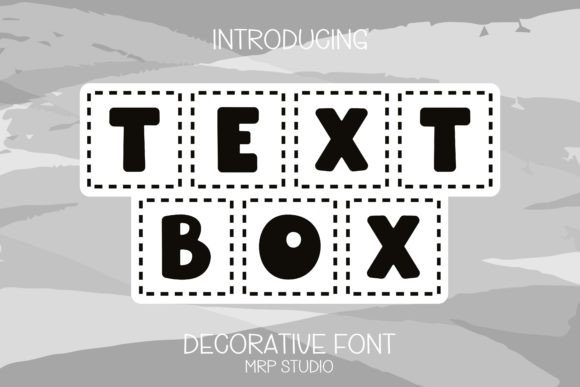
Text Box is a distinctive Decorative typeface that brings a sense of whimsy and approachability to digital interfaces. As web designers and UI creators, we often search for Fonts that break the monotony of standard sans-serif layouts while maintaining clarity. This specific font style offers a unique solution for projects requiring a softer, more engaging visual tone. By integrating this playful typography into your design system, you can create memorable user experiences that resonate with audiences seeking warmth and creativity.
Enhancing Visual Hierarchy in Child-Focused Web Projects
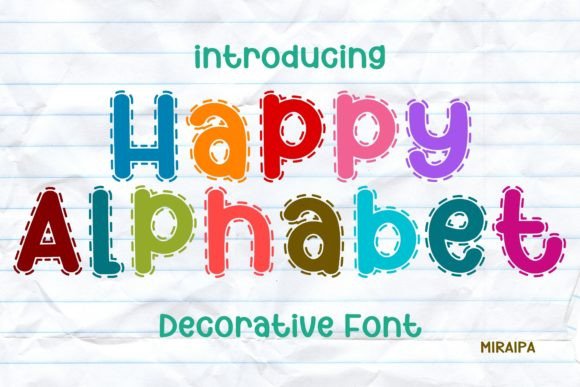
Text Box excels in environments where the target audience includes children or families, making it an ideal choice for educational platforms and event websites. When designing landing pages for back to school campaigns or interactive learning modules, the font’s adorable structure captures attention without overwhelming young users. The rounded edges and consistent stroke width ensure that headings remain legible even on smaller mobile screens. For UI designers, this means you can use Text Box for section headers in apps dedicated to early childhood education, creating a friendly interface that encourages exploration. The visual weight of the letters provides a clear hierarchy, guiding users through content naturally while maintaining a cohesive brand identity that feels safe and inviting.
Optimizing Readability for Birthday Party and Event Landing Pages
Event-based websites, such as those for birthday party decoration services or local community gatherings, benefit significantly from typography that conveys celebration. Text Box serves as a powerful tool in these contexts, transforming static text into dynamic visual elements. When used in hero sections or banner ads, the font’s decorative nature adds immediate context to the page’s purpose. However, readability remains paramount. To ensure optimal performance, pair this display font with a clean, neutral sans-serif for body copy. This contrast allows the decorative headings to stand out while keeping detailed information about dates, locations, and RSVPs easy to scan. For digital product creators, this balance is crucial for conversion-focused layouts where clarity drives action.
Building Brand Tone with Adorable Decorative Typography
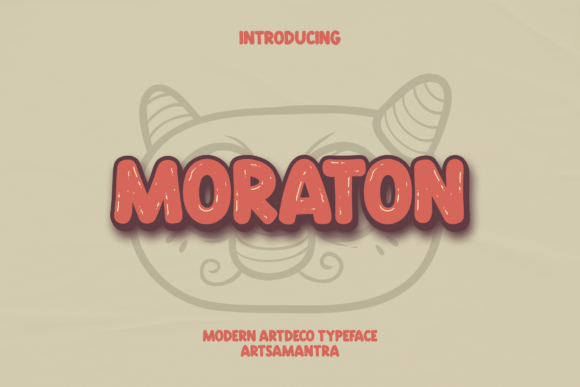
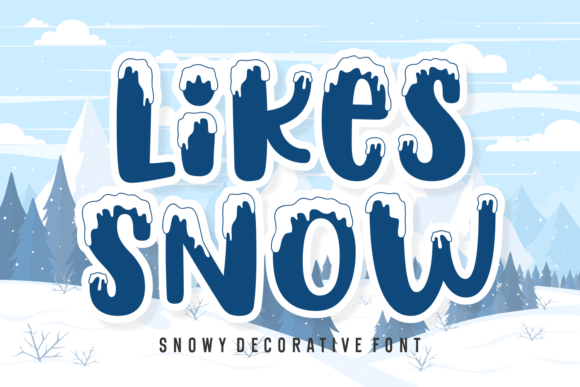
Text Box is designed in a cute and adorable decorative font style, which makes it a strategic asset for brands aiming to project friendliness and accessibility. In the realm of web design, font choice directly influences perceived brand personality. A boutique online store selling handmade goods or a coaching website focused on personal growth can leverage this typeface to soften their digital presence. By using Text Box for logo text or primary headlines, you establish an emotional connection with visitors before they read a single word of content. This emotional resonance is key to building trust and encouraging longer session durations. The font’s unique character helps differentiate your site from competitors who rely on generic corporate typography, offering a distinct visual identity that aligns with values of care and creativity.
Strategic Placement in Conversion-Focused Layouts
While Text Box is highly expressive, its application must be strategic to support user engagement and conversion goals. It is best suited for short phrases, call-to-action buttons, and prominent headers rather than long paragraphs of text. For instance, using this font for a "Sign Up" button or a limited-time offer banner can draw the eye effectively due to its distinctive shape. However, overuse can lead to visual fatigue. Web designers should limit its use to key interaction points where emphasis is needed. This selective application ensures that the font enhances the user experience by highlighting important actions without compromising the overall usability of the site. When integrated thoughtfully, it guides the user’s journey through the funnel, making critical steps feel more inviting and less transactional.
Technical Considerations for Responsive Web Design
Implementing Text Box across various devices requires attention to technical details to maintain its aesthetic appeal. As a Decorative font, it may have intricate details that could blur on low-resolution screens if not properly optimized. Ensure that you are using web-ready formats such as WOFF2 to guarantee fast loading times and crisp rendering. For mobile responsiveness, consider increasing the line height and letter spacing when using this font for headings. This adjustment prevents characters from touching and improves legibility on narrow viewports. Additionally, test the font against different background colors. While it performs well on light backgrounds, ensure sufficient contrast when placing it over images or dark modes. Proper implementation ensures that the font’s charm translates seamlessly from desktop monitors to smartphone screens, providing a consistent brand experience.
Pairing Strategies for Balanced Digital Interfaces
To maximize the impact of Text Box, effective font pairing is essential. Since this typeface carries a strong personality, it pairs best with minimalist sans-serif fonts that do not compete for attention. For body text, choose a highly readable font with a neutral tone, such as Inter or Open Sans. This combination creates a balanced visual rhythm where the decorative headings act as anchors and the simple body text facilitates smooth reading. For more editorial-style blogs or portfolio sites, you might experiment with pairing it with a classic serif font to add a touch of sophistication alongside the playfulness. The key is to maintain a clear distinction between heading and body styles. This hierarchy not only aids in scanning behavior but also reinforces the professional quality of the design, showing that every typographic choice was made with intention and user experience in mind.
Licensing and Commercial Use for Digital Products
Before integrating Text Box into client projects or commercial products, verify the licensing terms to ensure compliance. Most premium fonts require specific licenses for web use, especially when embedded in websites via CSS or used in digital advertisements. For online store owners and SaaS founders, securing the correct commercial license protects your brand from legal issues and supports the creators of the typeface. Check if the package includes webfont files and whether there are restrictions on the number of pageviews or domains. Understanding these details is part of responsible digital product creation. By respecting intellectual property rights, you contribute to a sustainable ecosystem for designers and typographers, ensuring that high-quality resources like Text Box continue to be developed for future creative projects.